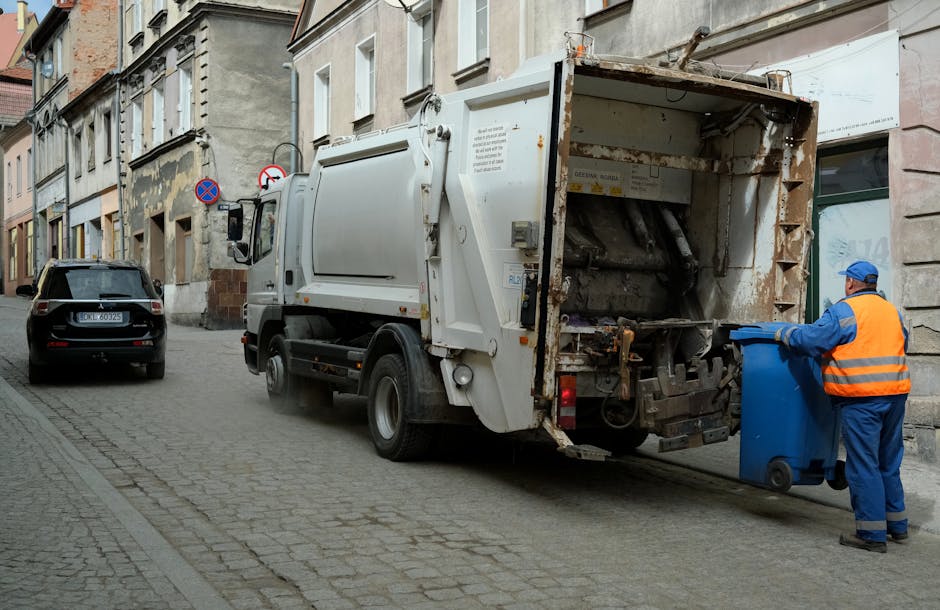
Guide to Rubbish Collection Rules Havering Council
If you live in Havering, rubbish collection can feel simple right up until it suddenly isn't. One week everything goes out as expected, the next you're staring at a missed bin, a bulky item, or a bag that has been left behind with no obvious reason. This Guide to Rubbish Collection Rules Havering Council pulls the process into plain English so you know what goes where, what to avoid, and how to stay on the right side of local collection rules without making your Tuesday morning harder than it needs to be.
Whether you are sorting household waste, planning a clear-out, or trying to understand what Havering will and won't take, the details matter. Small mistakes can mean contamination, missed collections, extra mess on the pavement, or just a frustrating delay. Let's make it easier.
Table of Contents
- Why Guide to Rubbish Collection Rules Havering Council Matters
- How Guide to Rubbish Collection Rules Havering Council Works
- Key Benefits and Practical Advantages
- Who This Is For and When It Makes Sense
- Step-by-Step Guidance
- Expert Tips for Better Results
- Common Mistakes to Avoid
- Tools, Resources and Recommendations
- Law, Compliance, Standards, or Best Practice
- Options, Methods, or Comparison Table
- Case Study or Real-World Example
- Practical Checklist
- Conclusion
- Frequently Asked Questions
Why Guide to Rubbish Collection Rules Havering Council Matters
Rubbish collection rules exist for a reason, and not just to be awkward. In a busy borough, waste has to be collected safely, on time, and in a way that keeps streets tidy and services moving. If everyone puts out the wrong items, overfills bins, or leaves loose waste scattered about, the whole system becomes messy very quickly.
There is also a practical side that people sometimes overlook. Correctly sorted rubbish is easier to collect, easier to recycle, and less likely to be rejected. That means fewer awkward surprises outside your house on collection day, fewer smells creeping out in warmer weather, and fewer occasions where you have to drag a bag back indoors because it wasn't accepted. Honestly, nobody wants that at 7:30 on a damp weekday morning.
For households, landlords, tenants, and local businesses, knowing the rules can also help avoid avoidable costs. If waste is not presented properly, you may need an alternative disposal route. If you are clearing a flat, a garage, or a full house, it becomes even more important to separate general rubbish from recyclable materials and bulky items. If you need broader help with larger clear-outs, services such as waste removal or even home clearance can be a practical backup when council collections are not enough.
Practical takeaway: the better your waste is sorted before collection, the smoother everything becomes. It saves time, reduces stress, and lowers the chance of a failed collection.
How Guide to Rubbish Collection Rules Havering Council Works
At a basic level, rubbish collection works by assigning different types of waste to different containers or collection methods. That sounds obvious, but the details are where people slip up. General waste, recycling, food waste, garden waste, and bulky items do not all follow the same route, and they should not be treated as interchangeable.
Think of it like this: your bin system is a sorting process before the lorry even arrives. If the wrong thing goes into the wrong container, the collector may leave it behind, tag it, or advise you to re-sort it. In some cases, waste has to be left because it creates a safety issue for the crew or a contamination risk for recycling streams.
Most local collection systems also depend on presentation. Bins should usually be placed out on the correct day, in a sensible spot that does not block access, and without bags or loose items that could spill. Lids generally need to close properly. If the lid is jammed open by overfilling, that is often a sign the bin is simply too full for collection. Not ideal.
For bigger jobs, council collections are only part of the picture. A loft full of old boxes, broken chairs, and random odds and ends might be too much for normal bin services. That is where a planned clearance makes more sense, especially if you are also dealing with furniture or mixed household waste. Pages like loft clearance and furniture disposal are relevant when the job goes beyond routine bins.
Key Benefits and Practical Advantages
Following the rubbish collection rules properly brings more benefits than people expect. The obvious one is that your waste is more likely to be collected on time. The less obvious one is that your household routine becomes calmer. Once you know what belongs where, collection day stops being guesswork.
- Fewer missed collections: sorted waste is easier for crews to take away without delays.
- Cleaner streets: bags and bins that are presented properly are less likely to break open or attract pests.
- Better recycling outcomes: clean, separated recyclables are easier to process.
- Less household friction: no more debates over where the pizza box, yoghurt pot, or broken stool should go.
- Better planning for clear-outs: when you know the rules, you can decide when a council collection is enough and when you need additional help.
There is also a small but real mental benefit. Clear waste routines reduce that background feeling of "I should deal with this at some point." You know the feeling. A bag by the back door. A box in the hallway. A pile in the garage that seems to multiply after dark. Sorting it properly can make a house feel lighter, even if the task itself is not glamorous.
For businesses, the benefits are sharper still. A tidy waste setup supports a better work environment and helps avoid confusion around who is responsible for what. If your premises generate mixed waste, it may be worth looking at business waste removal to keep things under control rather than relying on ad hoc disposal.
Who This Is For and When It Makes Sense
This guide is useful for a wide range of people in Havering. Some are trying to get everyday bins right. Others are facing a one-off tidy-up. A few are dealing with something much bigger, like the aftermath of a move, a renovation, or a family property being cleared out. Different situation, same core issue: rubbish has to be handled properly.
Homeowners and tenants
If you are managing standard weekly collections, the rules help you avoid avoidable errors. This is especially helpful in busy households where recycling and general waste get mixed without anyone noticing until collection day.
Landlords and letting agents
When tenants move out, waste often builds up quickly. You may be left with bin bags, old furniture, or household clutter that falls outside normal collection arrangements. In those cases, a broader clearance plan is often needed, and flat clearance can be particularly useful for smaller properties with tight access.
Families managing a clear-out
If you are decluttering before a house move, after a bereavement, or simply because the cupboards have finally given up, knowing what the council will take saves a lot of wasted effort. Truth be told, the hard part is often not the lifting, it is the sorting.
Small businesses and offices
Offices produce paper waste, packaging, broken equipment, and general rubbish in a steady trickle. That is easy to ignore until the waste starts taking over a storage corner. If that sounds familiar, office clearance can support larger periodic resets.
People with outdoor spaces
Garden cuttings, broken pots, soil, and outdoor clutter may not fit neatly into routine bin collections. For bigger outdoor jobs, garden clearance is often a better fit than trying to squeeze everything into normal waste bins.
Step-by-Step Guidance
If you want a simple way to stay on top of rubbish collection rules, follow this process. It sounds basic, but basic done well is usually what works.
- Check what type of waste you have. Separate general rubbish, recycling, food waste, garden waste, and bulky items before you do anything else.
- Keep hazardous or special items aside. Things like batteries, chemicals, paint, sharps, and electrical waste usually need special handling rather than general collection.
- Use the right containers. Do not overfill bins and do not put loose waste out if a container is required.
- Make sure items are clean enough for recycling. Food residue, liquids, and contamination can cause recyclable items to be rejected.
- Put waste out at the correct time. Missed timing is one of the simplest reasons collections fail. Early evening or the morning of collection often works best, depending on your local arrangement.
- Leave access clear. Collection crews need a safe route. Cars, gates, bin stores, and garden objects can all get in the way.
- Review bulky items separately. If you are dealing with furniture, appliances, or accumulated household junk, do not assume the normal bin service will take it.
- Have a backup plan. If the amount of rubbish is beyond the usual bin setup, organise a proper clearance solution rather than trying to improvise.
A common real-world example: someone clears a spare room on a Saturday afternoon, fills four black bags, adds a broken bedside cabinet, and then hopes the weekly collection will deal with the whole lot. The bags may be fine; the cabinet probably won't be. That is where a planned approach saves the day.
If the job is larger than a bin collection, it can help to compare options early. You might need a specific furniture-focused service, or a broader household clearance through house clearance. Better to decide before everything is piled in the hallway. It's less dramatic that way.
Expert Tips for Better Results
Over time, the easiest rubbish systems are the ones built around habit. A few small adjustments can make collection day far less stressful.
- Keep a small sorting station indoors. Separate recycling from general waste before it reaches the main bin.
- Flatten cardboard as you go. Cardboard boxes take up surprising amounts of space if they are left whole.
- Rinse containers lightly. They do not need to be spotless, but food-covered packaging is more likely to cause issues.
- Set aside bulky waste early. That broken chair you keep stepping over will not sort itself out.
- Do a five-minute pre-collection check. Make sure lids close, bags are tied, and the right bin is out.
- Think in categories, not just in bags. The moment everything becomes "just rubbish," sorting becomes much harder.
One small but useful trick: if you are clearing out a room, keep a separate box labelled "recycle," one labelled "donate," and one labelled "bin." It sounds a bit fussy. It works, though. And by the end of the evening, you will usually feel the difference in the room. Less clutter, less noise, less of that dusty "where did all this come from?" feeling.
If you are dealing with awkward items like old furniture, damaged shelves, or a cluttered garage, services such as garage clearance and furniture clearance can be a practical next step. The key is not to let the pile grow into a weekend project that becomes a monthly one.
Common Mistakes to Avoid
Most rubbish collection problems come from a handful of repeat mistakes. Once you know them, they are easier to avoid.
- Overfilling bins: if the lid will not close, the bin may be left unemptied.
- Mixing recyclables with food waste: contamination can spoil the whole container.
- Putting out the wrong items: bulky waste, construction waste, and electrical items usually need separate handling.
- Leaving waste loose on the pavement: this can create mess and access issues.
- Ignoring collection schedules: even one missed day can lead to overflow by the next week.
- Assuming all clear-outs are the same: a loft, a garden, and a bathroom strip-out each create different waste streams.
A lot of people also wait too long to deal with a build-up. That is understandable, but it usually makes the job harder. A few bags become ten. A chair becomes three chairs. The garage becomes a museum of "I'll sort that later." We have all seen it.
If the waste is tied to building work or renovation, it is especially important not to mix everything together. Mixed renovation debris can be hard to manage and may need a specific route such as builders waste clearance.
Tools, Resources and Recommendations
You do not need fancy equipment to manage rubbish well, but a few simple tools help a lot.
- Strong bin bags: choose bags that will not split on the way out to the kerb.
- Storage boxes or crates: useful for separating recyclables during a clear-out.
- Labels or sticky notes: handy when more than one person is helping sort waste.
- Gloves: especially useful for garage, loft, and garden work.
- Dustpan and brush: for the inevitable bits that fall on the floor. They always do.
- Measuring tape: useful if you need to work out whether a bulky item will fit through a door or into a collection vehicle.
From a planning perspective, one of the most useful resources is your own layout. Look at where waste is generated, stored, and moved through the property. In a small flat, space is tight and timing matters more. In a house, the issue is often spread across rooms, sheds, lofts, and outbuildings. If the property is full enough that normal rubbish routine no longer works, a more structured service such as flat clearance or home clearance may save a lot of hassle.
You can also think about sustainability while you sort. Reuse and recycling are often the best first step before disposal. For readers who want to keep waste reduction front and centre, the page on recycling and sustainability is a useful companion.
Law, Compliance, Standards, or Best Practice
Waste handling in the UK sits within a broader legal and practical framework, even if most day-to-day collection decisions feel very ordinary. As a resident or business owner, your main job is to present waste safely, separate it sensibly, and avoid causing contamination or obstruction. That may sound obvious, but the ordinary stuff is what keeps the system functioning.
For households, best practice usually means following the collection system provided, keeping waste in the correct container, and checking what should not go in the bin. For businesses, the expectations are stricter because duty of care matters more. You are generally expected to manage commercial waste responsibly, use appropriate collection routes, and keep waste streams sensible and traceable. No need to overcomplicate it, but it should never be casual.
Special items deserve extra care. Electrical waste, sharps, paint, oils, chemicals, gas cylinders, asbestos, and similar items should not be treated like ordinary rubbish. If you are not sure, keep them separate and check the safest route before disposal. That one bit of caution can prevent a lot of trouble.
Best practice also applies to collection day itself. Do not block pavements, do not create trip hazards, and do not place waste where crews cannot access it safely. If a collection is likely to be missed because of access issues or overfilled containers, sort that out before the lorry comes, not after. A little boring? Maybe. Effective? Definitely.
Options, Methods, or Comparison Table
Not every type of rubbish should be handled the same way. The best method depends on volume, material, and urgency. Here is a simple comparison to help you decide what makes sense.
| Waste situation | Best approach | Why it works | Watch out for |
|---|---|---|---|
| Everyday household rubbish | Regular council collection | Simple, routine, and usually the most efficient option | Overfilling and mixing waste types |
| Recycling-heavy waste | Separate recycling stream | Supports cleaner sorting and better recovery | Food contamination and dirty packaging |
| Bulky household items | Special clearance or bulky-item route | Handles items that do not fit normal bins | Trying to force them into general collections |
| Garden cuttings and outdoor debris | Garden-focused clearance or garden waste route | Better for green waste, soil, and outdoor clutter | Mixing in rubble or mixed rubbish |
| Office or business waste | Business waste service | Better suited to mixed commercial rubbish and regular volumes | Using domestic bins for business waste |
| Mixed household clearance | Home or house clearance | Efficient when many items need sorting and lifting | Leaving the job half-finished and clutter returning |
So, which route should you choose? If your waste is small, sorted, and routine, keep it in the normal system. If it is bigger, mixed, or physically awkward, treat it as a clearance job rather than a bin job. That is usually the cleaner decision, and in my experience it saves a lot of back-and-forth.
Case Study or Real-World Example
A typical Havering household might start with a simple plan: empty the loft, move a few bags of old clothes, and get rid of two broken chairs. Easy enough in theory. By the time the boxes come down, the family has found old photo albums, flattened cardboard, a lamp with a broken base, and a pile of dusty items that nobody remembers buying. Familiar story, right?
Here is what usually helps in a case like that:
- sort items into keep, recycle, donate, and dispose categories;
- remove anything with electrical plugs or batteries first;
- set bulky items aside instead of trying to squeeze them into ordinary waste;
- use proper bags and containers for the lighter rubbish;
- book the right clearance support for the leftover large items.
In that sort of scenario, the council collection may handle some of the lighter waste, but not the lot. The final result is much better when the job is split intelligently. A room clears faster, the hallway stays passable, and you avoid the classic last-minute panic of "where do we put this now?"
For mixed loads like that, it can be worth looking at a service that covers the whole property rather than trying to patch together a solution. A combination of loft clearance and furniture disposal is often more realistic than relying on the bin timetable alone.
Practical Checklist
Use this quick checklist before collection day or before booking a larger clearance.
- Have I separated general waste, recycling, food waste, and bulky items?
- Are the bins or bags within the usual collection rules?
- Have I removed anything hazardous or special waste?
- Are lids closed and bags tied securely?
- Is access clear for collectors?
- Do I know whether the item needs a council collection or a separate clearance?
- Have I checked whether any items can be reused, donated, or recycled first?
- If the job is large, have I planned enough time and lifting help?
- Do I have a backup if the collection is missed or refused?
- Am I dealing with a one-off clear-out rather than ordinary weekly rubbish?
If you can tick most of those off, you are usually in good shape. If not, pause for a moment and sort the setup first. That small pause can save a whole afternoon later. And yes, the missing sock in the corner probably belongs to a completely different category of household mystery.
Get a free quote today and see how much you can save.
Conclusion
Understanding rubbish collection rules in Havering is not about memorising every tiny detail. It is about building a simple, reliable habit that keeps your property tidy and your collections running smoothly. Once you know the difference between routine waste, recycling, bulky items, and special disposal needs, the whole process becomes much easier.
For everyday life, the best approach is steady and practical: sort early, avoid contamination, and leave the larger jobs to the right kind of clearance service when they outgrow the bin system. That way, you are not fighting the rules every week. You are just working with them, which is a lot kinder on your time and your nerves.
And if your home or business has reached that awkward point where rubbish feels like it has its own postcode, there is nothing wrong with getting help. Sometimes the sensible choice is also the calmest one.
In the end, a clear space has a quiet kind of relief to it. One less thing hanging over you. One more thing done properly.
Frequently Asked Questions
What is the main purpose of rubbish collection rules in Havering?
The main purpose is to make waste collection safe, efficient, and tidy. The rules help ensure rubbish is sorted correctly, collected without hazards, and kept out of the wrong waste stream.
Can I put any household rubbish in the general waste bin?
No. General waste usually only covers ordinary non-recyclable household rubbish. Items that can be recycled, reused, or require special handling should be separated first.
What happens if I put the wrong thing in the recycling bin?
Contamination can cause the whole container to be rejected or left uncollected. Food waste, liquids, and non-recyclable materials are the most common problems.
Do bulky items go out with normal bin collections?
Usually not. Bulky items like furniture, mattresses, or large broken household goods often need a separate collection or clearance arrangement.
How should I handle garden waste?
Garden waste is best kept separate from general rubbish. Grass cuttings, hedge trimmings, and leaves are often managed differently from mixed household waste, and larger amounts may need a dedicated service.
Can I put construction debris in my household bins?
Generally, no. Construction or renovation waste can be heavy, mixed, and unsuitable for ordinary household bins. It is better handled as builders waste clearance or a similar dedicated route.
What if my bin is too full for collection?
If the lid cannot close, the bin may be left behind. The practical fix is to reduce the load, flatten packaging where possible, and avoid overfilling before collection day.
Is it better to wait for council collection or book a clearance service?
It depends on volume and type. For small, routine waste, council collection is usually the right route. For larger, mixed, or bulky clear-outs, a clearance service is often more efficient.
How do I know if something is hazardous waste?
If it is a battery, chemical, paint, oil, sharps, or anything that could leak, burn, or cause harm, treat it cautiously and keep it separate. When in doubt, do not mix it with ordinary rubbish.
What is the best way to prepare for collection day?
Sort waste early, use the correct containers, keep access clear, and make sure nothing prohibited is in the bin. A five-minute final check can prevent a missed collection.
Can offices and businesses use the same waste approach as households?
Not really. Business waste usually needs a more structured approach because of volume, duty of care, and regular collection requirements. A business-specific solution is usually more appropriate.
Where can I get help if my rubbish situation is bigger than a normal collection?
If you are dealing with a full house, a garage, a loft, or a mix of bulky items and general rubbish, a dedicated clearance route is often the easiest option. That could be house clearance, garage clearance, loft clearance, or another tailored service depending on what you need.